Samsung Galaxy Z Fold 7 vs Samsung Galaxy Z Trifold — Ultimate Foldable Comparison (2026)
Samsung is pushing the boundaries of smartphone design, and nowhere is that more obvious than in its foldable lineup. Two flagship devices — the Galaxy Z Fold 7 and the Galaxy Z TriFold — represent two very different visions of what a foldable smartphone can be. One refines the classic book‑style design, while the other experiments with a bold tri‑fold form factor.
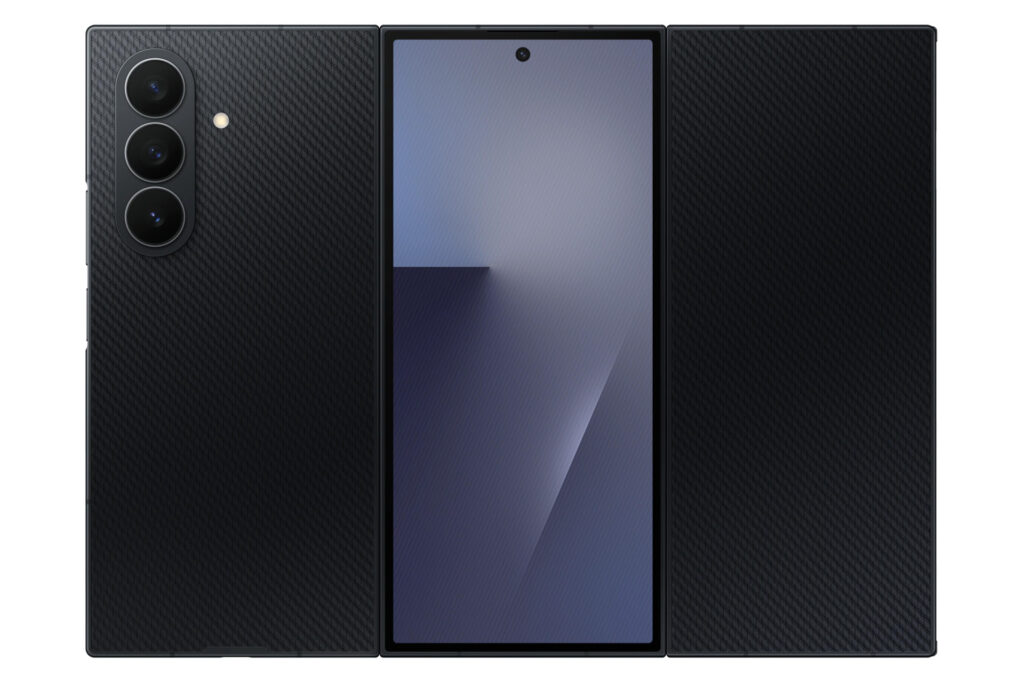
In this comparison, we break down design, displays, performance, battery life, cameras, and real‑world usage to help you decide which is right for you.
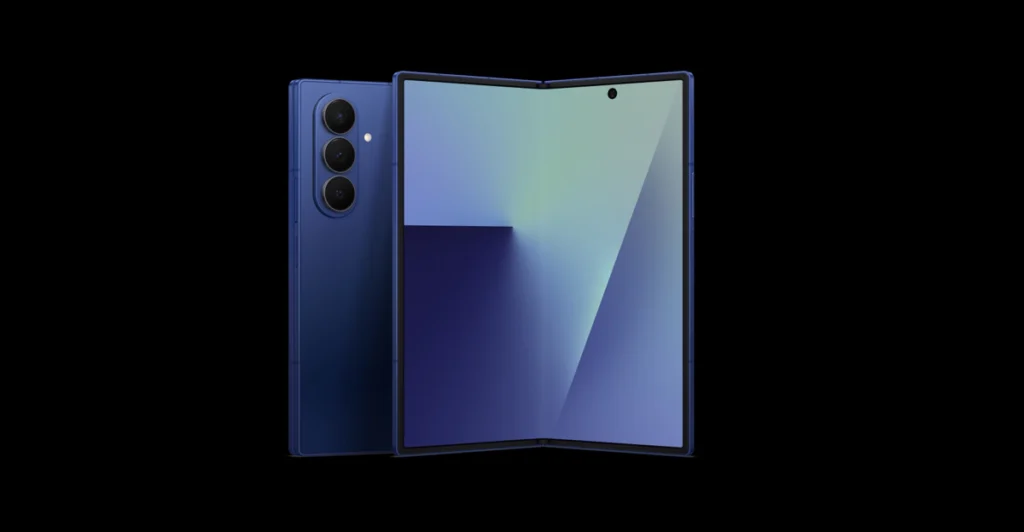
Design & Build Quality
Samsung Galaxy Z Fold 7
- Style: Traditional book‑style foldable
- Thickness (Folded): ~8.9 mm
- Weight: ~215 g
- Materials: Armor Aluminum frame, Gorilla Glass Ceramic 2 on the cover, Gorilla Glass Victus 2 back
- Rating: IP48 dust and water resistance
The Z Fold 7 continues the classic foldable design with a slimmer and more durable build than previous generations, and its lighter weight makes it easier to pocket or hold for extended use.
Samsung Galaxy Z TriFold
- Style: Tri‑fold design with two hinges
- Thickness (Folded): ~12.9 mm
- Weight: ~309 g
- Materials: Titanium‑protected hinges, advanced armor aluminum frame, ceramic‑glass fiber back
- Rating: IP48 (like Fold 7)
In contrast, the TriFold packs three screen panels and folds twice, which leads to a larger, thicker device when closed — but offers an innovative multi‑panel experience unlike anything else. It feels more like a phone‑tablet hybrid than a standard smartphone.
Display — Size Matters
Cover Display (Both)
- 6.5‑inch Dynamic AMOLED, 120 Hz refresh
- Perfect for on‑the‑go tasks without unfolding.
Main Display
| Feature | Galaxy Z Fold 7 | Galaxy Z TriFold |
|---|---|---|
| Size | 8.0‑inch | 10.0‑inch |
| Peak Brightness | ~2600 nits | ~1600 nits |
| Resolution & Density | Higher pixel density (~367 ppi) | Lower (~268 ppi) |
| Refresh Rate | 120 Hz | 120 Hz |
What this means:
- The TriFold offers a significantly larger display, great for multitasking, reading, creative work, or watching media — almost like a small tablet.
- The Fold 7’s screen, while smaller, delivers greater brightness and sharper detail — especially useful outdoors or in bright light.
Performance & Software
Both phones are powered by Qualcomm’s Snapdragon 8 Elite for Galaxy chipset and run Android 16 with One UI 8, ensuring smooth performance, multitasking, and access to Samsung’s latest features — including DeX (desktop‑style workspace) on the TriFold without needing an external screen.
However:
- The TriFold typically comes with 16 GB RAM as standard, while the Fold 7’s base models start at 12 GB.
Cameras — Similar But Powerful
Both devices sport Samsung’s 200 MP main camera, 12 MP ultra‑wide, and 10 MP telephoto sensors, plus dual 10 MP selfie cameras (one on the cover, one on the inner display). Video recording up to 4K at 60fps, plus HDR10+ support, is shared across both — so neither lags behind in imaging basics.
The folding format doesn’t change the camera hardware much, but the TriFold’s larger screen means photo editing and viewing visuals feels more like a tablet experience.
Battery & Charging
- Galaxy Z Fold 7: 4,400 mAh battery
- Galaxy Z TriFold: 5,600 mAh battery
- Wired Charging: 25 W (Fold 7) vs 45 W (TriFold)
- Wireless Charging: 15 W on both devices
TL;DR: The TriFold offers a larger battery and faster wired charging, which helps offset its bigger screen. Both should comfortably last a day under moderate use, but heavy multitaskers or mobile productivity users may prefer the TriFold’s extra capacity.
Portability & Practicality
Everyday Use
- Fold 7: More pocketable and lighter, ideal for most users who want foldable convenience without bulk.
- TriFold: Makes a bold statement. The trade‑off for that big screen is size and weight — more like carrying a compact tablet.
Multitasking & Productivity
If you frequently juggle multiple apps, edit documents, or use Samsung DeX, the TriFold’s larger real estate and multi‑panel support give it a clear edge for productivity workflows.
Pricing — Value Comparison
The Galaxy Z Fold 7 typically starts around a lower price point (about $1,999) with deals and trade‑ins often reducing it significantly.
The Galaxy Z TriFold is positioned as a premium flagship with a steeper price tag — around $2,899 in the U.S. — reflecting its bigger screen and cutting‑edge design.
Verdict — Which Should You Choose?
Samsung Galaxy Z Fold 7 if you want:
- A more traditional foldable that’s lighter and pocket‑friendly
- Higher brightness display and sharper detail
- Excellent everyday performance and solid camera system
Samsung Galaxy Z Trifold if you want:
- A tablet‑like experience in your pocket
- Bigger screen for multitasking, productivity, or watching multimedia
- More RAM and larger battery capacity
Both are excellent choices — with the Fold 7 appealing to users who prefer refined design and portability, and the TriFold aimed at early adopters and productivity power users who want maximum screen space and multitasking potential.