Most Popular Phones of All Time — Ranked by Global Sales
Phones are more than just communication tools — they document the evolution of technology and culture. While flagship smartphones today grab headlines, some earlier models have achieved legendary status by selling in hundreds of millions of units worldwide. These devices didn’t just sell well — they shaped how entire generations connected with the world.
Let’s take a journey through some of the most popular phones ever sold, understanding what made them so iconic.
1. Nokia 1100 — The All-Time Best-Selling Phone
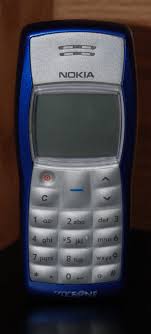
The Nokia 1100 is the most sold mobile phone in history, with over 250 million units sold between 2003 and 2009. Its success wasn’t due to cutting-edge features — it was basic, rugged, affordable, and reliable, with excellent battery life and a built-in flashlight, making it perfect for markets around the world.
Why it was so popular:
- Extremely affordable
- Long battery life
- Simple and robust — ideal for first-time buyers
2. Nokia 1110 — Close Behind
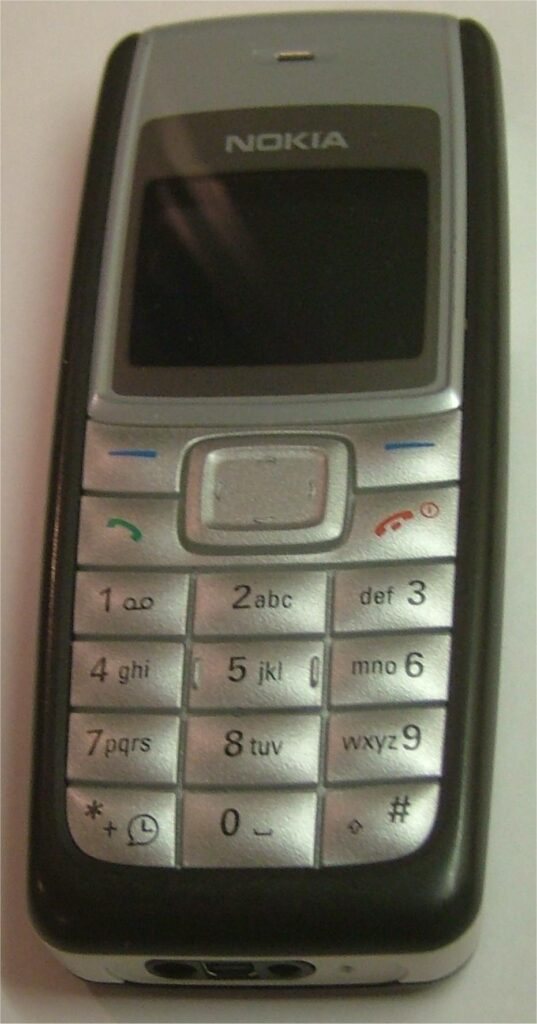
Coming in a close second, the Nokia 1110 sold around 248 million units. Similar to the 1100, it had basic functionality but won over users worldwide with its simplicity and reliability.
3. Apple iPhone 6 & iPhone 6 Plus — Touchscreen Revolution
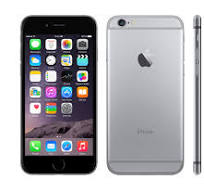
When Apple introduced the iPhone 6 and 6 Plus in 2014, the company shifted its design toward larger screens — a major change that immediately resonated with consumers. Together, these models sold over 220 million units, making them the bestselling smartphone family ever.
Key reasons for success:
- Larger displays (4.7″ and 5.5″) at a time when big screens were gaining popularity
- Strong performance and ecosystem
- Worldwide appeal with carrier partnerships
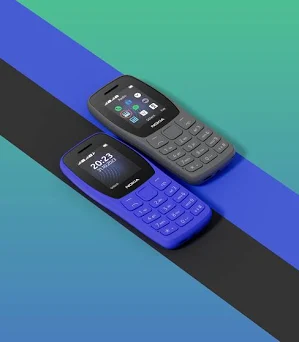
4. Nokia 105 Series — Simple and Timeless
The Nokia 105 series also cracked the all-time chart with about 200 million units sold. Designed as an affordable feature phone, it appealed to users seeking basic calling and texting with excellent battery life.
More All-Time Best Sellers
Here’s a snapshot of other legendary devices that also achieved huge global sales:
| Rank | Phone | Approx. Sales |
|---|---|---|
| 5 | Apple iPhone 6s & 6s Plus | ~174 M |
| 6 | Apple iPhone 5s | ~165 M |
| 7 | Nokia 3210 | ~160 M |
| 8 | Apple iPhone 7 & 7 Plus | ~160 M |
| 9 | Apple iPhone 11 | ~159 M |
| 10 | Apple iPhone XR / XS | ~151 M |
These devices span both feature phones and early smartphones, illustrating how the market changed over time from basic mobile devices to powerful touch-driven smartphones.
Interesting Notes from History
📍 Feature Phones Dominate Early Rankings
Before smartphones became widespread, simple phones like Nokia’s 1100 and 1110 dominated global markets — especially in developing regions where affordability and durability mattered most.
📍 The Rise of the iPhone
Apple models, especially the iPhone 6 series, transformed user expectations with sleek touchscreen designs. Even years after their release, certain iPhones remain among the most sold devices ever.
📍 Android’s Presence
While multiple Samsung Galaxy models (like the Samsung Galaxy S4) also achieved impressive sales (over 80 million units according to records), their numbers overall don’t match the iconic peak sales of the devices above but still reflect successful Android adoption globally.
How Phone Popularity Has Shifted
The dominance of older devices like Nokia 1100 shows how early mobile phones succeeded through reliability and accessibility. As the industry moved into the smartphone era, sales began to favor devices with broader ecosystems, advanced features, and global carrier support — like the iPhone series from Apple.
Today, smartphone sales are driven by performance, ecosystem integration, camera capabilities, and brand loyalty. While modern models may not reach the extremely high lifetime sales of devices like the Nokia 1100 (due to shorter upgrade cycles and market fragmentation), the combined iPhone family alone has shipped over 3 billion units since its launch.
Final Thoughts
Some mobile phones capture culture and technology in a way that makes them timeless. Whether it’s the simplicity and ubiquity of the Nokia 1100, or the touchscreen revolution brought by the iPhone 6 series, these devices shaped how millions (or even hundreds of millions) around the world communicated.
They’re not just popular phones — they’re pieces of tech history.