The True Reality of Smartphone Manufacturing in India
Over the last few years, “Made in India” smartphones have become a major talking point. Brands proudly advertise Indian manufacturing, and the country is now one of the world’s largest smartphone producers. But behind the headlines and marketing slogans, the real story of smartphone manufacturing in India is far more complex.
Let’s take an honest look at what actually happens, what India is doing right, and what still needs to change.
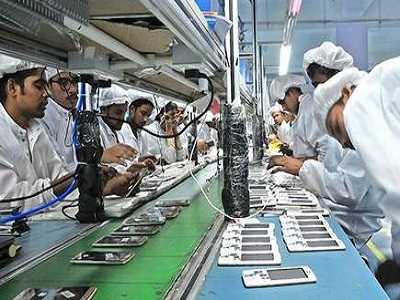
India’s Rise as a Smartphone Manufacturing Hub
India has rapidly emerged as a global smartphone manufacturing center thanks to:
- Large domestic demand
- Affordable labor
- Government incentives like the PLI (Production Linked Incentive) scheme
- Growing export potential
Major brands like Apple, Samsung, Xiaomi, Vivo, Oppo, and Realme now assemble millions of smartphones in India every year.
This growth has created jobs and boosted exports—but manufacturing doesn’t always mean what people think it means.
Assembly vs Manufacturing: The Biggest Misunderstanding
One of the biggest misconceptions is that entire smartphones are built from scratch in India.
The reality:
- Most smartphones are assembled in India
- Core components like:
- Processors
- Camera sensors
- Displays
- Memory chips
are imported from countries like China, Taiwan, South Korea, and Japan.
In many cases, India’s role is:
➡️ Putting together imported parts
➡️ Testing
➡️ Packaging
This is an important step—but it’s not full-scale manufacturing yet.
Why Brands Prefer Assembly in India
Brands assemble phones in India mainly because:
- It reduces import duties
- Lowers final device prices
- Helps meet local sourcing rules
- Improves brand image in the Indian market
For global companies, India is both:
- A huge consumer market
- A cost-effective production base
But true independence requires more than assembly lines.
Employment: The Good and the Challenges
The positives:
- Millions of jobs created directly and indirectly
- Skill development in electronics assembly
- Growth of industrial zones and supplier ecosystems
The challenges:
- Many jobs are low-skill and repetitive
- Limited involvement in high-tech R&D
- Contract-based labor with limited long-term security
India benefits in employment—but high-value engineering roles are still limited.
Why Core Components Aren’t Made in India (Yet)
Building components like chipsets and camera sensors requires:
- Advanced semiconductor fabs
- Billions of dollars in investment
- Decades of technical expertise
- Strong supply chain ecosystems
India is moving in this direction, but semiconductor manufacturing is extremely complex. Countries like Taiwan and South Korea didn’t build this overnight.
Apple’s Manufacturing Shift: A Big Signal
Apple increasing iPhone production in India is a major milestone. It shows:
- Growing trust in India’s manufacturing capabilities
- Reduced dependency on China
- Export potential beyond the Indian market
However, even Apple’s India-made iPhones still rely heavily on imported components.
Supply Chain Reality
A smartphone involves hundreds of suppliers. While India is slowly developing:
- Charger manufacturing
- Mechanical parts
- Packaging
- Batteries
High-precision components are still largely imported. The supply chain is improving—but it’s not complete yet.
The Real Long-Term Challenge
The real goal for India isn’t just assembly—it’s:
- Semiconductor fabrication
- Display manufacturing
- Camera sensor development
- Original technology R&D
Without these, India remains dependent on global suppliers.
The Road Ahead: Reasons for Optimism
Despite the challenges, progress is real:
- Government semiconductor initiatives are underway
- More component suppliers are entering India
- Skill development programs are expanding
- Exports are increasing year by year
India is transitioning from assembly-first to manufacturing-focused, but this transformation will take time.
Final Verdict
The true reality of smartphone manufacturing in India lies between hype and hard work.
India is:
✔ A strong assembly and export hub
✔ Creating jobs and industrial growth
✔ Attracting global brands
But India is not yet a fully independent smartphone manufacturing powerhouse.
The journey is happening—step by step. And if investments, policy support, and innovation continue, India has the potential to move from “Assembled in India” to “Designed and Manufactured in India.”