#Hashtag Explained in Detail: What Is a Hashtag and How to Use It Effectively in 2026
The humble # symbol has become one of the most powerful tools in digital communication. From sparking global movements to helping small businesses in Peshawar reach new customers, the hashtag turns ordinary words into searchable, clickable categories that connect people across platforms.
In February 2026, hashtags aren’t the magic growth button they once were—Instagram caps them at 5, algorithms prioritize quality content over spam, and platforms like TikTok reward relevance—but they still matter for discovery, categorization, and community building. Here’s everything you need to know: history, mechanics, best practices, and platform-specific tips.
What Exactly Is a Hashtag?
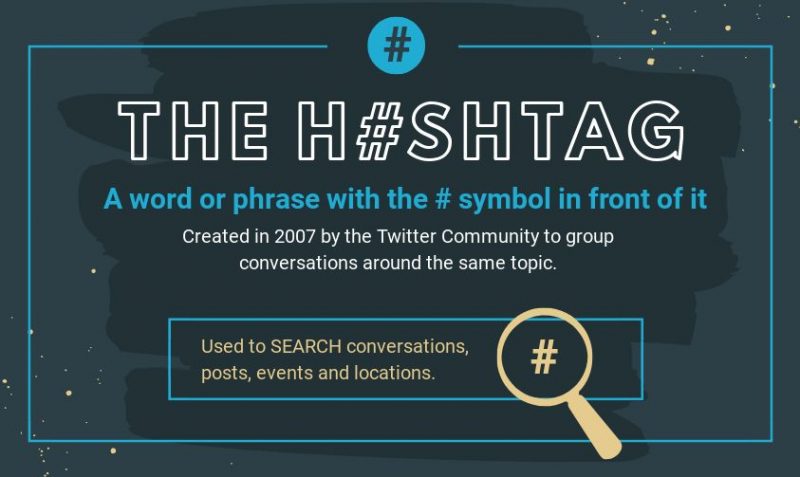
A hashtag is a word or phrase preceded by the # symbol (no spaces, no punctuation) that groups related content on social media.
Examples:
- #Peshawar
- #TechTips2026
- #MondayMotivation
Clicking a hashtag shows you all public posts using that exact tag, turning scattered updates into organized conversations.
The official name of the # symbol is octothorpe (or pound sign/number sign), but in social media it’s universally called a hashtag.
A Quick History: From One Tweet to Global Phenomenon
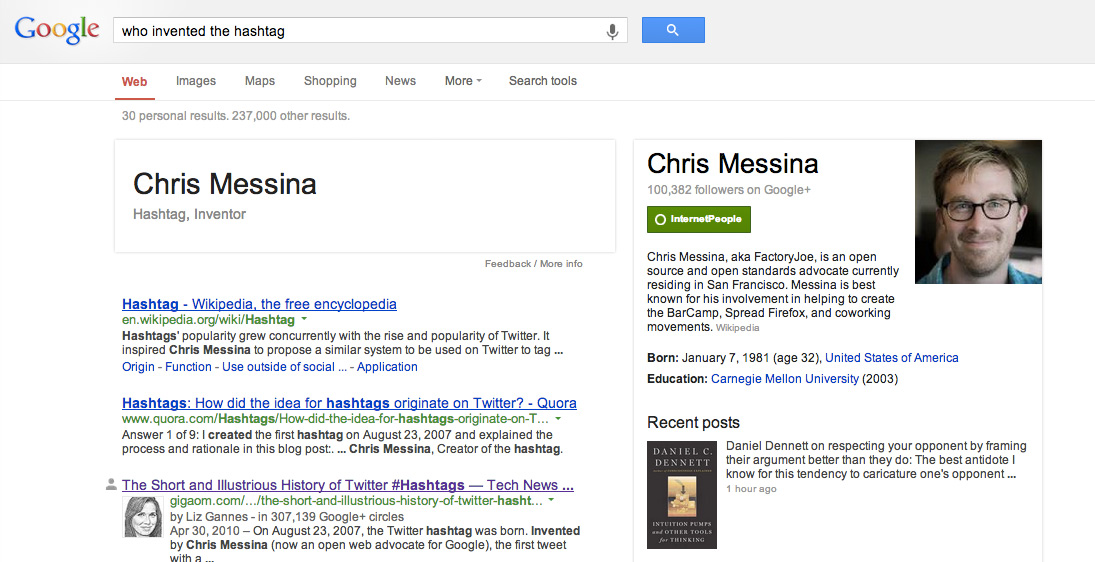
The hashtag was born on August 23, 2007, when product designer Chris Messina posted on Twitter (now X):
“How do you feel about using # (pound) for groups. As in #barcamp [msg]?”

Twitter adopted it officially in 2009 with trending topics. By 2010–2014, hashtags fueled revolutions (#ArabSpring), marketing campaigns, and viral memes. Today in 2026, they’re more like contextual labels that help algorithms understand your content—less about raw reach, more about precise targeting.
How Do Hashtags Actually Work in 2026?
Platforms use hashtags as signals:
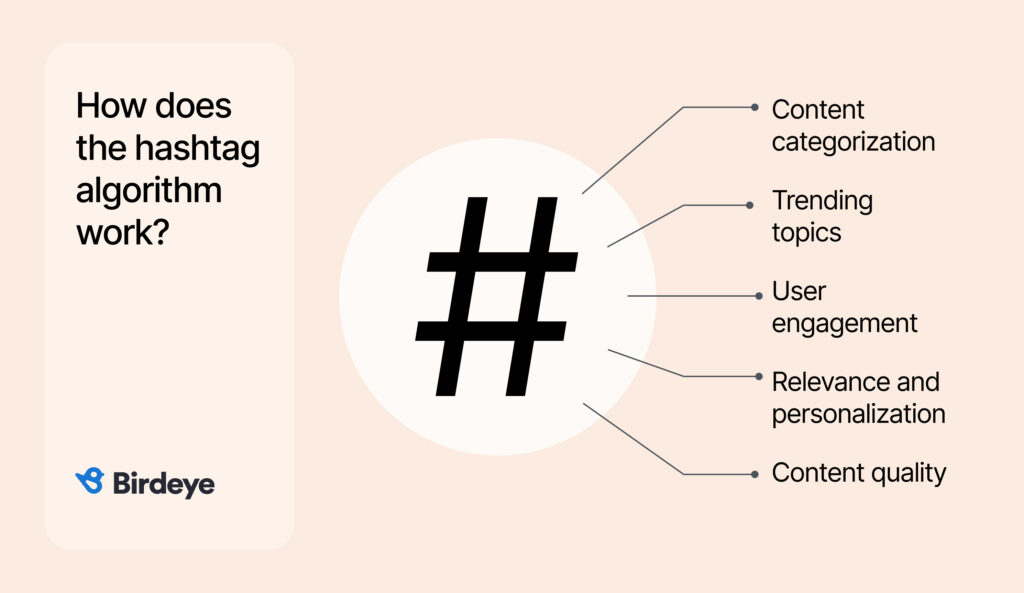
- Categorization — Tells the algorithm what your post is about.
- Discovery — Helps users find content via search or Explore pages.
- Trending — Popular tags appear in “For You” feeds or trending sections.
- Engagement — Relevant tags connect you to interested communities.
But algorithms (especially Instagram and TikTok) now weigh content quality, watch time, engagement, and relevance far more than hashtags. Overusing or spamming them can hurt reach.
Best Practices for Using Hashtags in 2026
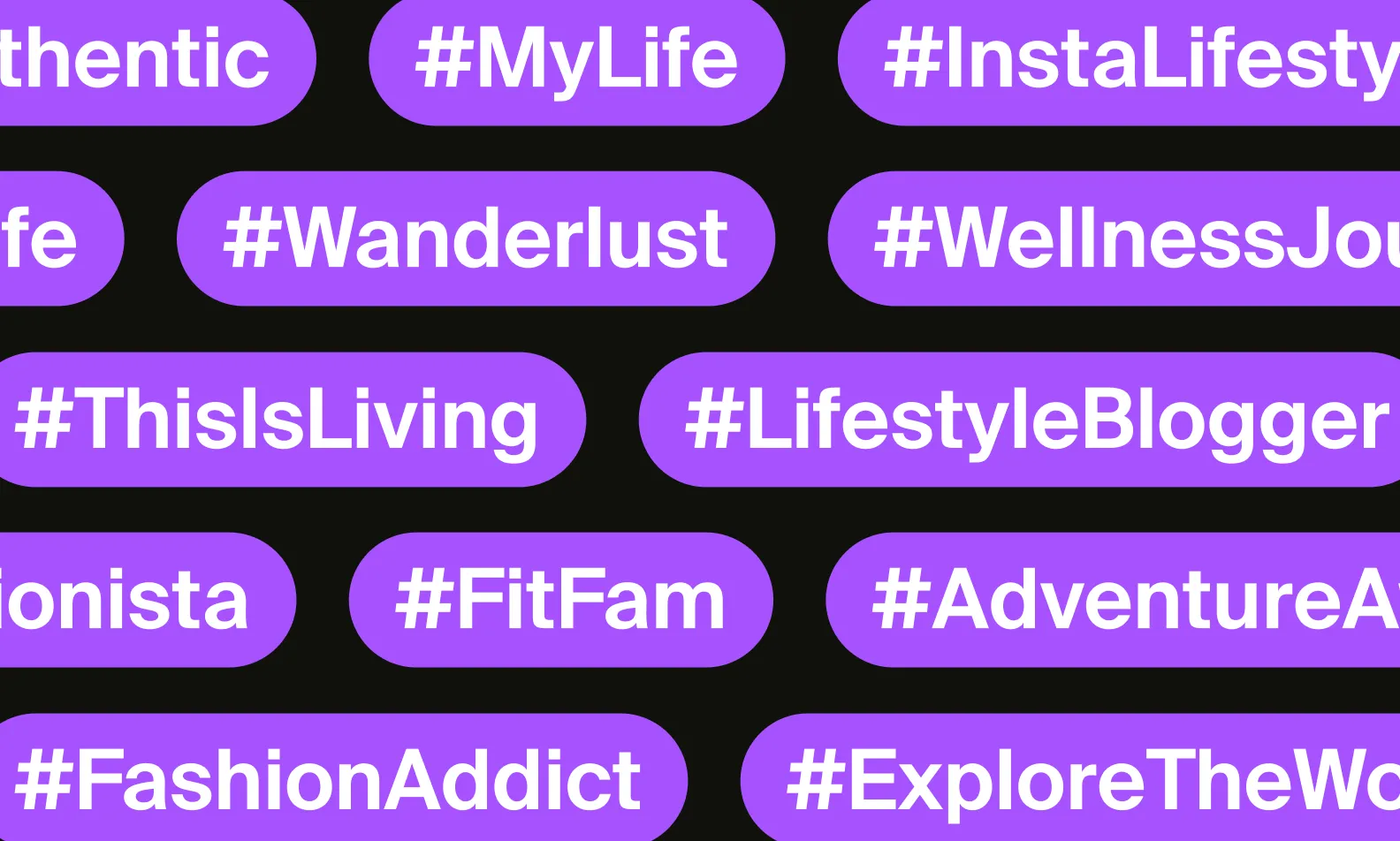
Quality > Quantity. The era of 30+ hashtags is over—platforms penalize spam.
Core rules:
- Be relevant — Only use tags that describe your content accurately.
- Go niche — #PeshawarFoodie beats #Food (more targeted audience).
- Mix types — Combine trending, niche, branded, and evergreen tags.
- Research first — Check volume (10k–500k posts ideal on Instagram) and avoid banned/spammy ones (#follow4follow).
- Track performance — Use analytics to see which tags drive views/engagement.
![28 Daily hashtags to help improve engagement [CHEATSHEET]](https://blog.hootsuite.com/wp-content/uploads/2022/06/daily-hashtags-graphic.png)
Platform-Specific Hashtag Strategies in 2026
| Platform | Ideal Number | Best Placement | Tips & Trends 2026 |
|---|---|---|---|
| 3–5 | In caption or first comment | Focus on niche + branded; max 5 limit enforced | |
| TikTok | 3–5 (up to 9) | In caption/video text | Use trending sounds + 3×3 rule (industry/problem/audience) |
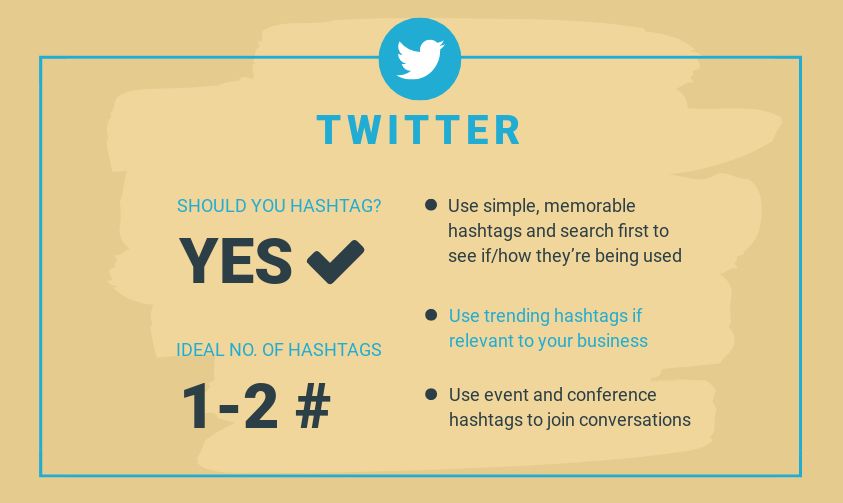
| X (Twitter) | 1–2 | Anywhere in tweet | Great for conversations & events; trending tags shine |
| 1–3 | In post text | Minimal impact; use for groups/communities | |
| 3–5 | End of post | Professional/niche tags; boosts B2B visibility |
Pro Tips for Peshawar Creators & Businesses
- Create a branded hashtag like #HasnainTech or #PeshawarVibes — encourage followers to use it.
- Join local trends (#Peshawar, #KPKFood, #PakistanTech).
- For Reels/Stories, 2–4 tags often perform best.
- Avoid over-optimization — great caption + engaging content > perfect hashtags.
Hashtags in 2026 are like SEO keywords: subtle, strategic, and supportive of strong content.