The Mega War: iPhones vs Android Phones — A Guide to the Eternal Smartphone Battle
It’s the digital age’s most enduring rivalry. It’s been debated in dorm rooms, boardrooms, and family dinners for over a decade. It’s not just a choice of phone; it’s a statement of digital philosophy. This is the Mega War: iPhones vs. Android Phones.
Forget simple features; this is about ecosystems, user experiences, and entire computing philosophies. Both platforms have millions of die-hard fans, and each has its own unique strengths. This post will cut through the marketing fluff and get to the core of what defines each side, helping you choose the best champion for your digital life.
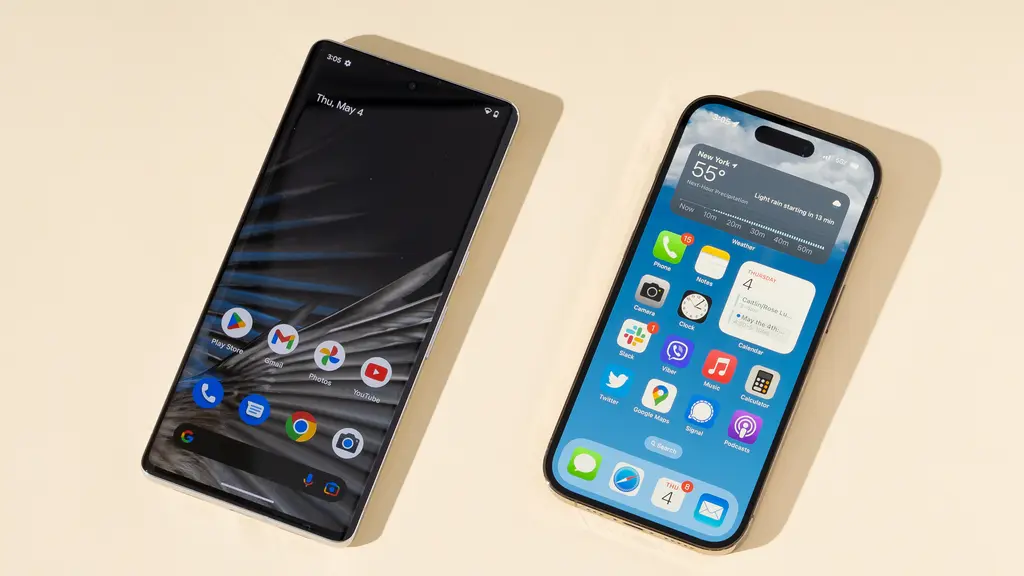
The Combatants
iPhone (Apple/iOS): Representing the walled garden, the integrated ecosystem, and a focus on premium, streamlined experience.
Android (Google/Multiple Manufacturers): Representing the open-source spirit, variety, customization, and a vast, diverse range of devices and price points.+1
Key Battlegrounds
Let’s break down the fight across some critical categories.
1. Software: The Heart of the Machine
iPhone (iOS): The Smooth & Uniform Road
Imagine a multi-lane highway designed by perfectionists. Everyone is in sync, the pavement is flawless, and the signs are beautiful. This is iOS.
- The Good: Incredibly smooth, polished, and intuitive. It offers unrivaled consistency. If you’ve used one iPhone, you’ve used them all. Updates are simultaneous for nearly all supported devices, so you’re always on the latest version.
- The Bad: It’s a “walled garden.” You can customize some things, but not the core interface. You’re mostly restricted to Apple’s vision of how you should use your phone.
Android: The Custom & Diverse Trail
Imagine a network of roads, from sleek city boulevards to rugged off-road paths, where you can build your own vehicle and choose your own route. This is Android.
- The Good: Incredible variety. There’s an Android phone for every budget, and every user preference (foldables, rugged phones, performance focus). The customization is unparalleled—you can change Launchers, icons, even your entire dialer app.
- The Bad: The experience is fragmented. Each manufacturer (Samsung, Google, OnePlus) puts its own “skin” (like One UI, Pixel UI) over Android, so the experience can differ wildly between devices. App optimization can sometimes lag behind iOS.
Which Side Fits You? If you prioritize a seamless, consistent, and easy-to-use experience, iOS is a strong choice. If you love to tinker, customize, and value variety, Android is a winner.
2. Hardware: The Physical Form
iPhone: A Focus on Premium Consistency
Think of a fleet of trucks, all built to the same exacting, premium standard. They look sophisticated and perform consistently, but there are only a few sizes and models. This is how the iPhone lineup works.
- The Good: Every iPhone feels like a premium device. The processors (Apple’s A-series) are consistently the fastest on the market, giving them fantastic longevity.
- The Bad: Limited choices. If you want a giant screen, or a folding phone, or a phone with an integrated stylus, Apple has no answer (yet). And the price of entry is always high.
Android: A Vast & Diverse Fleet
Think of a monstrous vehicle show with everything from sleek sports cars and muscular pickups to futuristic concept cars and affordable sedans. There’s something for everyone, built by dozens of different companies. This is the Android world.
- The Good: Limitless choices. You can get a phone with a massive screen (like the Galaxy S24 Ultra), a foldable (like the Pixel Fold), or a rugged beast (like a Ulefone). And you can find an Android phone for any budget.
- The Bad: Inconsistent quality. While high-end Android phones can rival or beat iPhones, budget Android phones can offer a poor experience. Processors vary wildly in performance.
Which Side Fits You? If you want a guaranteed premium, high-performance device and can afford a single, set price, iPhone is the way. If you want a specific form factor (like a foldable) or need a phone within a precise budget, you’ll find your match in Android.
3. Ecosystem: The Family Connection
iPhone: The Fully Integrated Suite
Your iPhone is the centerpiece, connecting effortlessly to your iPad, Mac, and Apple Watch. This is like a perfectly synchronized dance.
- The Good: An incredible, seamless experience. Services like AirDrop, iMessage, and FaceTime work perfectly across devices. An “off-switch” feature for privacy is very polished. iMessage is a huge selling point in many regions.
- The Bad: Once you’re in, it’s hard to leave. The “walled garden” creates serious lock-in, making it difficult and expensive to switch to another platform.
Android: The Open & Connective Group
Your Android phone connects seamlessly with your Google services and with some other devices, but the relationship is more open and flexible. This is like a diverse orchestra that can play together well.
- The Good: Strong integration with Google services (Gmail, Docs, Photos) is a huge bonus. You can easily find cross-platform apps for everything (like WhatsApp). You’re not locked in to a single company’s hardware.
- The Bad: The “glue” isn’t always as strong. While Google has its own messaging solutions, they are often disjointed (is it RCS, Google Messages, something else?). iMessage fragmentation is real. The cross-device sync isn’t as polished as Apple’s.
Which Side Fits You? If you value the absolute highest level of ecosystem integration and can commit to one company’s entire lineup, iPhone is unmatched. If you prefer flexibility, love Google services, and want freedom of choice, Android is the winner.
Final Verdict: The Winner Is… You
The “Mega War” doesn’t have a single, definitive winner. The answer is completely up to your individual needs and values. This isn’t about which phone is “better” in a vacuum; it’s about which phone is better for YOU.
- Choose iPhone if: You want a phone that “just works,” is consistently smooth, gets timely updates, has unparalleled ecosystem integration, and you have the budget for a premium device. It’s the choice for simplicity, consistency, and a refined experience.
- Choose Android if: You prioritize variety, love to customize, want a phone for a specific budget, value open systems, and are heavily invested in Google’s services. It’s the choice for freedom, variety, and tailored experiences.
The best way to decide? Go to a store, try both platforms, and see which one feels right. The battle lines are drawn, and the choice is yours. Embrace your platform and win your own digital war.